
DWI/DUI Defense and Personal Injury Cases in San Antonio: 2026 Guide
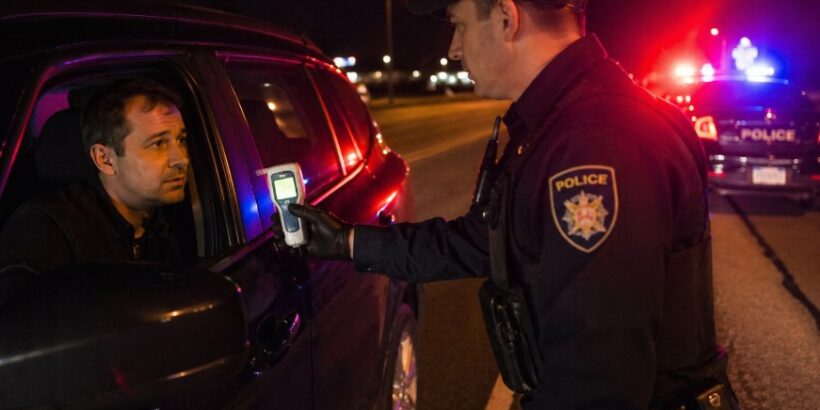
Imagine you’re driving home from the Riverwalk after two glasses of wine. Flashing lights appear in your rearview mirror. Before you process what’s happening, you’re handcuffed and suddenly facing two simultaneous battles: a criminal prosecution that could land you in jail, and a civil process that threatens your driving privileges.
This isn’t just a traffic ticket. It’s a dual-track system where missing a 15-day deadline can cost you driving privileges for months, even if you eventually win your criminal case.
This guide breaks down exactly what happens after a DWI arrest in Bexar County. We’ll walk through the criminal charges you’re facing, the administrative deadlines that hit first, and how personal injury claims overlap if anyone was hurt. You’ll learn which courthouse handles your case, what decisions matter most in the first 72 hours, and how to avoid the compliance pitfalls that land defendants back in jail.
Understanding Texas DWI Charges and the Dual-Track System
Texas law treats “DUI” and “DWI” differently than you might expect. While many people use the terms interchangeably, Texas Penal Code Chapter 49 specifically defines Driving While Intoxicated (DWI) as the statutory offense. You’re intoxicated if you lack normal mental or physical faculties due to alcohol, drugs, or other substances, or if your blood alcohol concentration hits 0.08 or higher. The statute requires this to happen while you’re operating a vehicle in a public place.
A first offense DWI in Texas is classified as a Class B misdemeanor. That means you face a minimum of 72 hours of confinement unless aggravating factors apply. Even without convictions, though, you’re facing immediate license consequences through a completely separate track.
Here’s what confuses most people: your arrest triggers two independent cases. The criminal prosecution moves through Bexar County courts, requiring proof beyond a reasonable doubt. Simultaneously, the Texas DPS ALR Program initiates an administrative case against your license. These tracks don’t wait for each other. You can beat the criminal charge yet still suffer a license suspension, or lose your license administratively while the criminal case drags on for months.
The ALR process focuses narrowly on whether you were operating a vehicle with a prohibited alcohol concentration or refused testing. Criminal court examines broader questions of guilt and punishment. Understanding this split is crucial because the ALR deadlines arrive first—sometimes before you even hire a lawyer.
Defining Intoxication Under TexasLaw
Under §49.01, intoxication means not having the normal use of mental or physical faculties because of alcohol, drugs, or a combination, or registering a BAC of 0.08 or more. Section 49.04 adds that you must be operating the vehicle in a public place. Without both elements—intoxication and operation in public—the state cannot sustain a DWI conviction.
The ALR Track vs. Criminal Court
Criminal court requires proving guilt beyond a reasonable doubt with full constitutional protections. The ALR process, handled through the State Office of Administrative Hearings (SOAH), uses lower administrative standards. Your license suspension proceeds regardless of whether prosecutors file criminal charges. Winning one does not automatically win the other.
Criminal Penalties and 2026 Charge Escalation Rules
Not every first offense DWI stays a Class B misdemeanor. Texas law automatically elevates charges based on specific circumstances, and these enhancements can dramatically change your exposure.
If your blood or breath specimen shows a BAC of 0.15 or higher, the offense jumps to a Class A misdemeanor under §49.04(d). That’s the same category as assault causing bodily injury, carrying fines up to $4,000 and potential jail sentences up to one year. Had an open container in the passenger area? Your minimum confinement increases to six days rather than 72 hours.
The most serious escalation involves passengers. If you had a child under 15 in the vehicle, you’re facing a state jail felony under §49.045. This applies even on a first offense and carries 180 days to 2 years in state jail confinement plus fines up to $10,000. Prior convictions trigger even harsher rules. One qualifying prior can raise your current charge to a Class A with a minimum of 30 days confinement. Two priors (or specific prior intoxication manslaughter convictions) can elevate the case to a third-degree felony under §49.09.
Important verification note: You may hear about “2026 penalty changes” circulating online. Following the 89th Legislature, the official Texas Penal Code Chapter 49 fully integrates recent penalty shifts, such as S.B. 745, which elevates multi-fatality intoxication manslaughter to a first-degree felony. Always verify claimed penalties against the updated official statute text rather than relying on outdated blog summaries.
In Bexar County, pretrial bond conditions often include ignition interlock requirements, alcohol monitoring, and abstention orders. Bexar County Pretrial Services oversees these conditions, and violations can result in immediate re-arrest. Courts typically require interlock installation within days of release, with monthly reporting to pretrial officers.
ALR Deadlines and License Suspension Timelines
The first 15 days after arrest determine whether you keep driving privileges. If officers served you with a suspension notice (DIC-25) at the scene, you have exactly 15 days to request an ALR hearing. Miss this window, and your suspension automatically takes effect on day 40.
But there’s a twist. If officers drew blood instead of breath, and you weren’t served notice immediately, DPS mails the suspension notice after lab results confirm your BAC. In mailed-notice scenarios, your deadline extends to 20 days from the mailing date, not the arrest date. These separate timelines confuse many defendants who assume DUI and DWI cases follow identical procedures.
Suspension lengths differ based on your testing decision. If you failed the breath or blood test (showed 0.08+), you face 90 days for a first failure or one year for subsequent failures. If you refused testing, the penalty doubles: 180 days for a first refusal or two years if you have prior alcohol or drug enforcement contacts in the last decade, per Texas Transportation Code §724.035.
ALR hearings occur at SOAH, not criminal court. An administrative law judge hears testimony from the arresting officer and reviews affidavits. You can subpoena witnesses and challenge the basis for the stop, but the standards are administrative, not criminal. Regardless of the outcome, reinstating your license requires a $125 fee paid to DPS, separate from any criminal fines or court costs.
Appealing an Unfavorable ALR Decision
If you lose your ALR hearing, you have 30 days to file a petition in the county or district court to appeal the suspension. This countdown starts from the suspension effective date, not the hearing date. Miss this window, and the suspension stands regardless of your criminal case status.
Occupational Driver License Eligibility
You can petition for an Occupational Driver License (ODL) through your local Justice of the Peace, county, or district court in your county of residence. According to DPS guidelines, this restricted license allows driving for essential needs like work, school, and household duties during suspension periods. You’ll need to file a petition, pay fees, and maintain an SR-22 insurance certificate proving financial responsibility for two years.
When DWI Crashes Cause Injury: Felony Charges and Civil Overlap
When a DWI involves injury or death, the stakes jump from misdemeanor to felony immediately. Understanding these distinctions helps you grasp both your criminal exposure and potential civil liability.
Intoxication assault occurs when someone operates a vehicle while intoxicated and, by accident or mistake, causes serious bodily injury to another person. Under Texas Penal Code §49.07, this constitutes a third-degree felony, punishable by 2 to 10 years in prison and fines up to $10,000. “Serious bodily injury” means injury creating substantial risk of death, causing death, serious permanent disfigurement, or protracted loss or impairment of a bodily function.
If an intoxicated operation causes death instead, you face intoxication manslaughter under §49.08. This is a second-degree felony with potential sentences of 2 to 20 years. Even if you had no intent to hurt anyone, the combination of intoxication and fatal causation creates strict felony liability.
These criminal charges run parallel to personal injury exposure. If you injured someone while driving intoxicated in San Antonio, that person has separate civil claims for medical bills, lost wages, and pain and suffering. The criminal prosecution addresses punishment; the civil case addresses compensation. However, the criminal burden of proof (beyond a reasonable doubt) differs from civil liability (preponderance of evidence), meaning you could face civil judgment even if criminal charges are reduced or dismissed.
A DWI accident lawyer handling these cases must coordinate defense strategies across both arenas. Evidence gathered for the criminal prosecution—field sobriety tests, blood results, accident reconstruction—becomes available in civil discovery. Early preservation of this evidence matters because the civil statute of limitations runs independently from your criminal case timeline.
Civil Liability and the Two-Year Filing Window
If you’re injured by an intoxicated driver or if you caused injury while impaired, the clock starts running immediately on civil claims. Under Texas Civil Practice & Remedies Code §16.003, you generally have two years from the injury date to file a personal injury lawsuit, or from the death date for wrongful death claims. Miss this deadline, and you permanently lose the right to recover damages, regardless of how strong your case.
Texas employs proportionate responsibility under Civil Practice & Remedies Code §33.001. If you are found more than 50% responsible for the accident, you cannot recover any damages. If you are 50% or less responsible, your damages reduce by your percentage of fault. For example, if a jury awards $100,000 but finds you 30% at fault, you recover $70,000. In DWI cases, the intoxicated driver’s fault percentage often runs high, but complications arise if the injured victim was also speeding or ran a red light.
Dram shop liability adds another layer. Under the Alcoholic Beverage Code §2.02, you can sue bars, restaurants, or other alcohol providers if they served alcohol to an obviously intoxicated person who presented a clear danger to themselves or others, and that intoxication proximately caused the damages. This requires proving the patron’s intoxication was “obvious” to the server, not merely that they had drinks.
Gathering evidence starts with the crash report. TxDOT maintains these records, and eligible parties can obtain copies showing officer observations, witness statements, and preliminary fault assessments.
Crash Report Documentation Requirements
After a San Antonio accident, you can request the Texas Peace Officer’s crash report (CR-3) through TxDOT Crash Records. Standard copies cost $6 while certified copies cost $8. Transportation Code §550.065 restricts access to parties with a proper interest, including involved drivers, passengers, insurance companies, and legal representatives.
Navigating Bexar County Criminal Courts and Pretrial Process
Your criminal case lands in specific courthouses depending on the charge level. For misdemeanor DWI cases—including first offense DWI and Class A enhanced misdemeanors—Bexar County Criminal Courts serve as the venue. These courts handle offenses punishable by up to one year in county jail and fines reaching $4,000. Felony intoxication assault or manslaughter cases proceed to district courts instead.
After arrest, you’ll likely encounter Bexar County Pretrial Services, which manages release conditions while your case proceeds. Common pretrial bond conditions include personal recognizance bonds with reporting requirements, secured bonds requiring cash or surety posting, and various monitoring stipulations. Most DWI defendants must install ignition interlock devices on their vehicles or submit to alcohol monitoring through SCRAM bracelets or random urinalysis.
Compliance matters intensely. Missing a check-in, testing positive for alcohol, or failing to install court-ordered interlock devices results in bond revocation and immediate re-arrest. The courts view DWI as a public safety issue, so judges typically enforce monitoring more strictly compared to other misdemeanors.
Court dates move quickly in San Antonio. Initial appearances happen within days of arrest, followed by pretrial conferences where your attorney reviews discovery and negotiates with prosecutors. Understanding local procedures—such as which courts prefer interlock installation before setting bond, or which prosecutors handle BAC challenges differently—requires familiarity with Bexar’s specific judicial culture.
Strategic Defense Coordination and Next Steps
Successfully navigating a DWI case in San Antonio requires synchronizing three distinct defense fronts: challenging the criminal prosecution, preserving your driving privileges through ALR procedures, and managing civil exposure if injuries occurred.
First, preserve your ALR rights immediately. Calculate whether you face the 15-day served notice deadline or the 20-day mailed notice timeline. File your hearing request even if you believe you’ll lose; the process buys time and creates opportunities to cross-examine officers under oath before a criminal trial. Remember, you can appeal an unfavorable ALR decision within 30 days of suspension taking effect, and you can apply for an occupational driver license to maintain employment during the suspension period.
Criminally, challenge BAC testing procedures, chain of custody documentation, and the initial traffic stop’s validity. These technical defenses apply whether you’re facing a first offense DWI or felony intoxication charges.
Civilly, if you were injured, document everything immediately. Obtain the crash report, photograph injuries and vehicle damage, and track medical expenses. The two-year statute of limitations moves faster than you think, especially when you’re focused on criminal defense.
If you caused injury, preserve evidence of the other driver’s comparative fault and investigate potential dram shop claims against any bar that overserved you. This doesn’t excuse your conduct, but it may reduce your civil exposure under Texas proportionate responsibility rules.
The intersection of DUI defense and personal injury claims creates complexity that generic advice cannot address. Each decision—from requesting an ALR hearing within 15 days to preserving evidence for civil discovery—affects your overall outcome.
You’ve now seen how a single San Antonio traffic stop creates parallel criminal and administrative crises with overlapping civil implications. Three deadlines matter most: request your ALR hearing within 15 days (or 20 if mailed), comply with all Bexar County pretrial conditions to avoid re-arrest, and file any personal injury claims within two years.
Don’t navigate this alone. The interplay between criminal penalties, license suspension, and civil liability requires a coordinated strategy from the first 72 hours. Contact a qualified San Antonio criminal defense attorney who understands both DWI defense and personal injury coordination. Your ability to drive, your freedom, and your financial future depend on meeting these deadlines and making informed choices early.